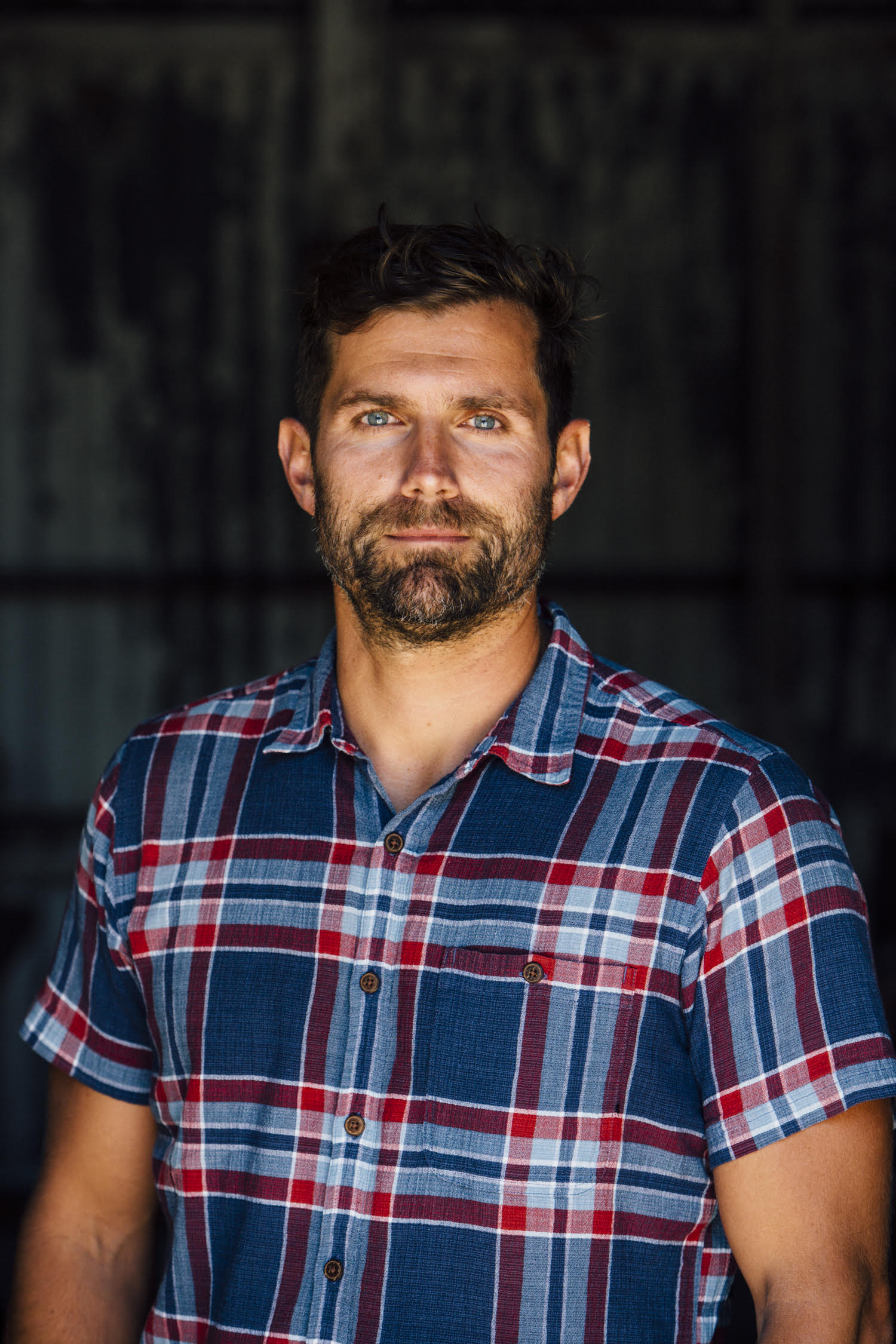
Co-Founder · Co-CEO
Greg Curtis
Executive Director at Holdfast Collective.
Former Deputy GC at Patagonia.
Executive Director at Holdfast Collective.
Former Deputy GC at Patagonia.
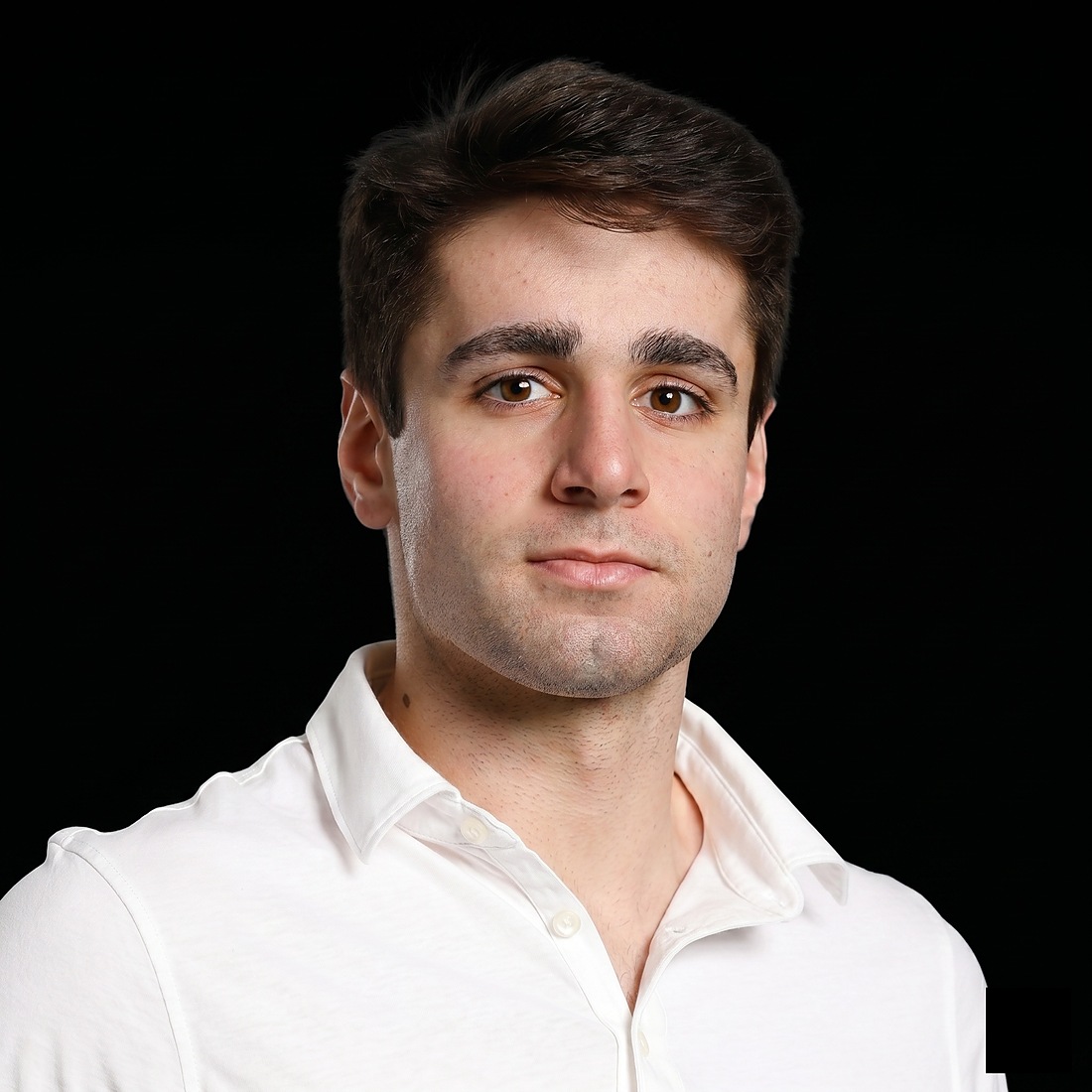
Northwestern Environmental Economics. Conservationist, builder, trader.
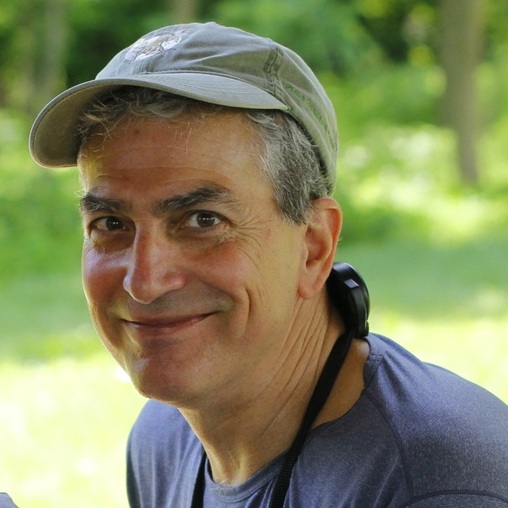
Chief Scientist at WWF for 25 years. One of the architects of modern conservation strategy.
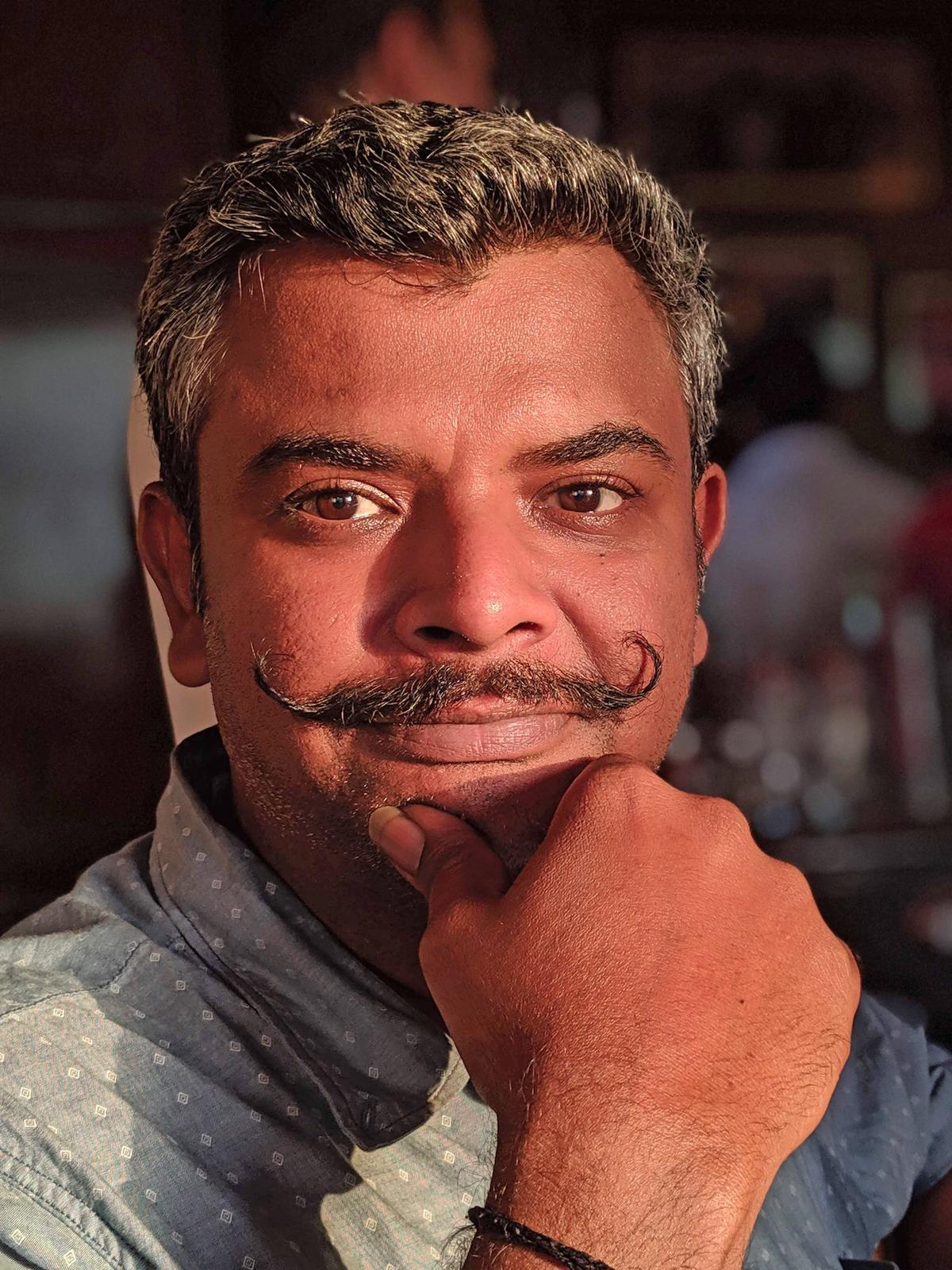
20+ years building India's AI-driven conservation monitoring systems across WWF-India, WRI, and more.
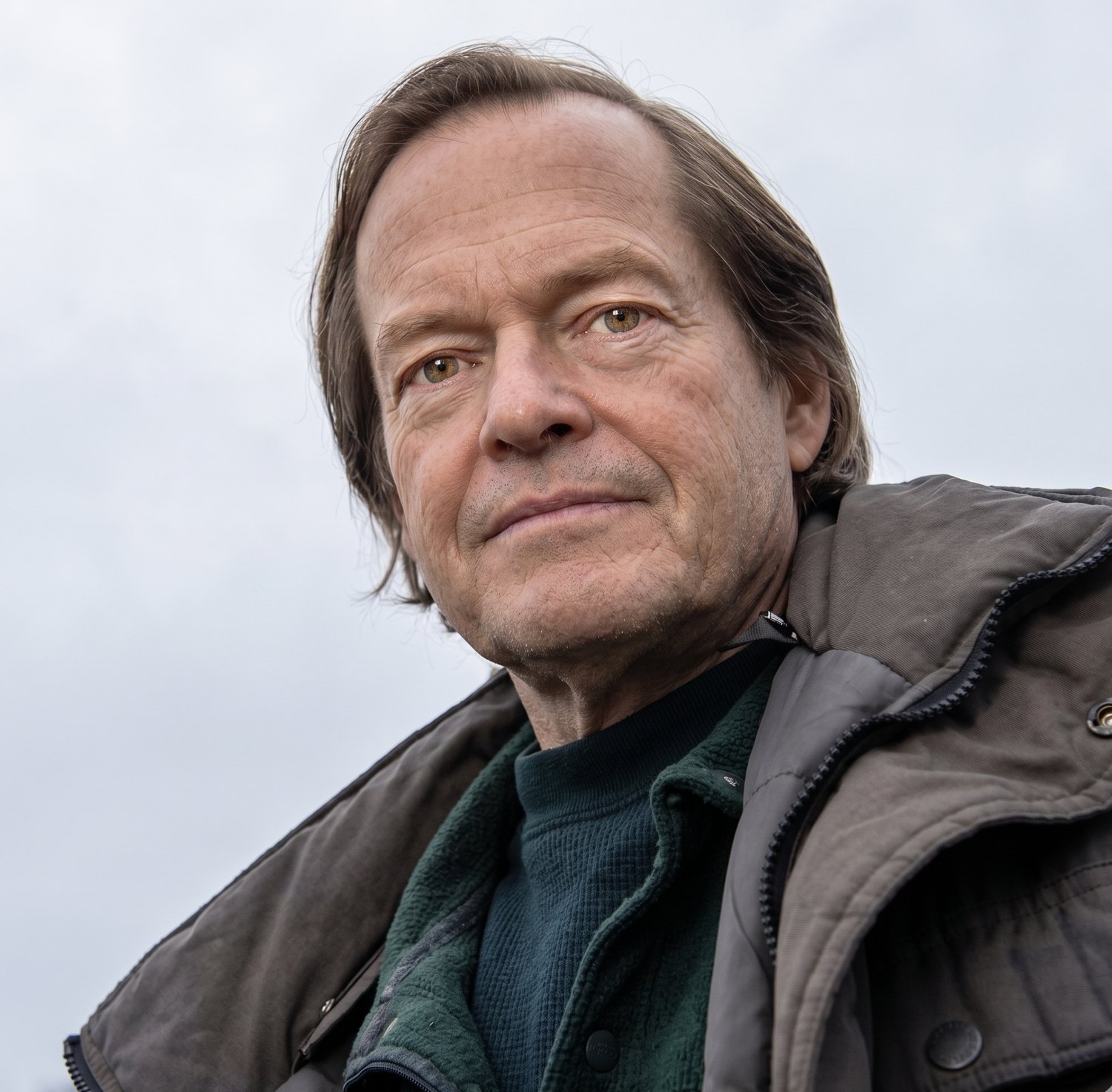
Serial conservation-technology inventor. Obsessed with making things faster and cheaper.
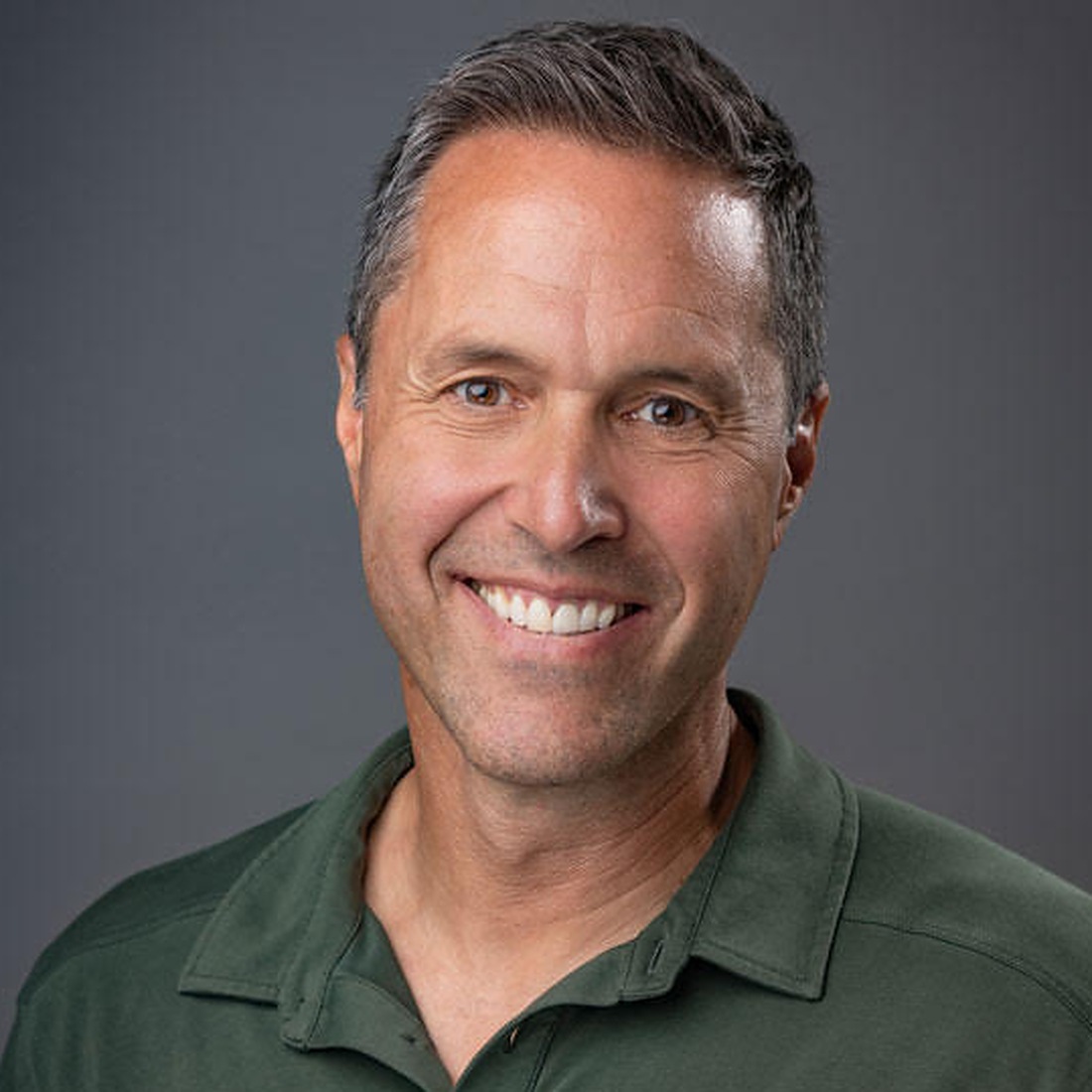
Director of Arizona State University's Center for Global Discovery and Conservation Science, where he leads a remote-sensing program mapping land and ocean ecosystems from airborne and satellite platforms at scales no field campaign can reach. Pioneer of high-fidelity airborne imaging spectroscopy and creator of the Allen Coral Atlas — the first global map of shallow-water coral reefs. 400+ peer-reviewed papers; senior advisor across NASA, the U.S. State Department, and the United Nations. Recipient of multiple scientific and sustainability awards; elected member of the U.S. National Academy of Sciences. PhD, Geological Sciences, University of Colorado Boulder. Based in Hawaii, where he oversees ASU's science activities.
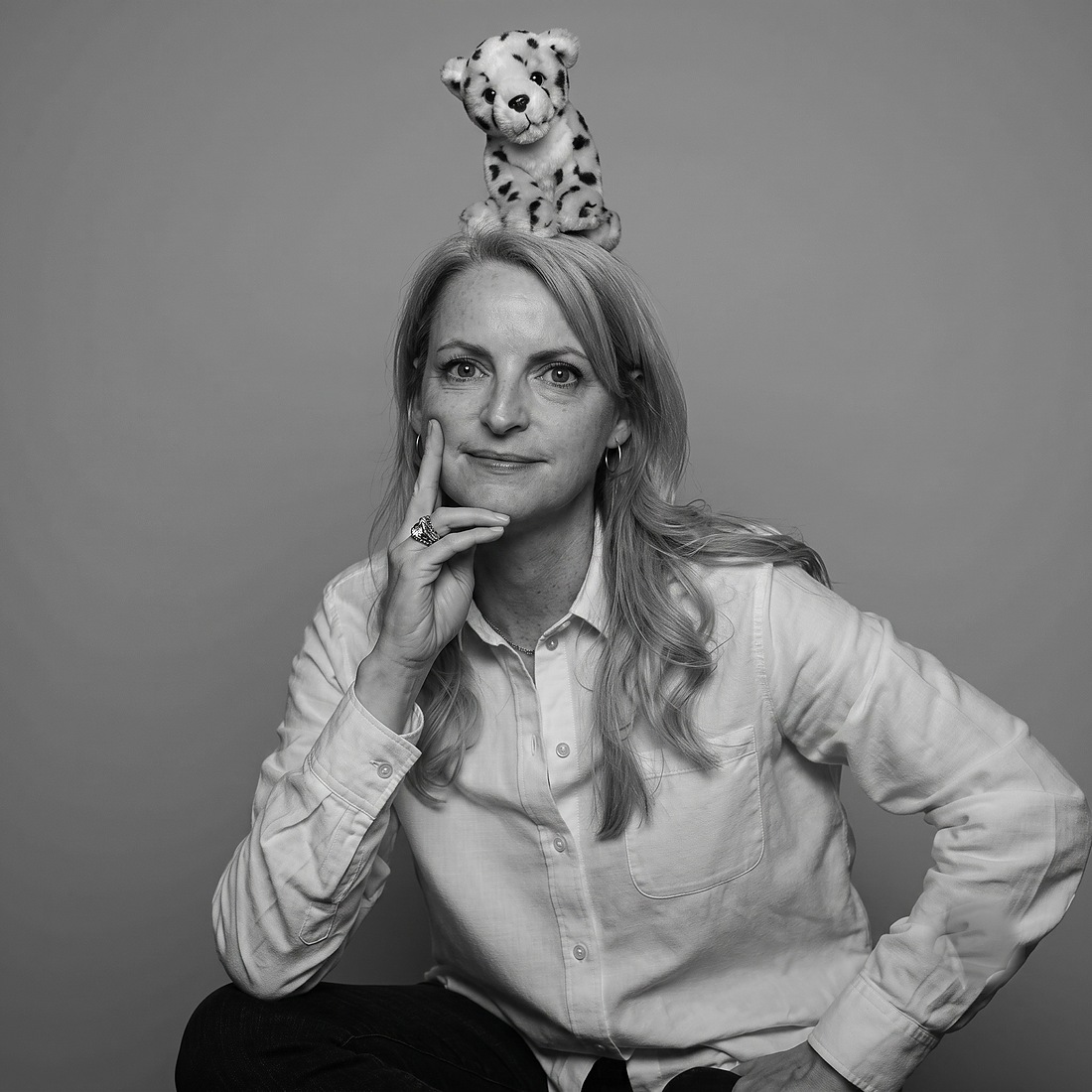
Twenty years leading international wildlife conservation at the intersection of federal policy, science, and frontier technology. Most recently Head of the U.S. Fish & Wildlife Service's Division of International Conservation, where she directed $100M+ annually across the Multinational Species Conservation Funds for tigers, elephants, rhinos, great apes, and marine turtles, co-chaired the Presidential Task Force on Wildlife Trafficking under the END Wildlife Trafficking Act, and steered the division to become the first government body in the world designated a Conservation Evidence Champion. Veterinarian (Tufts), wildlife epidemiologist (UC Davis), AAAS Science & Technology Policy Fellow; previously Assistant Professor of Global Health at Vanderbilt.
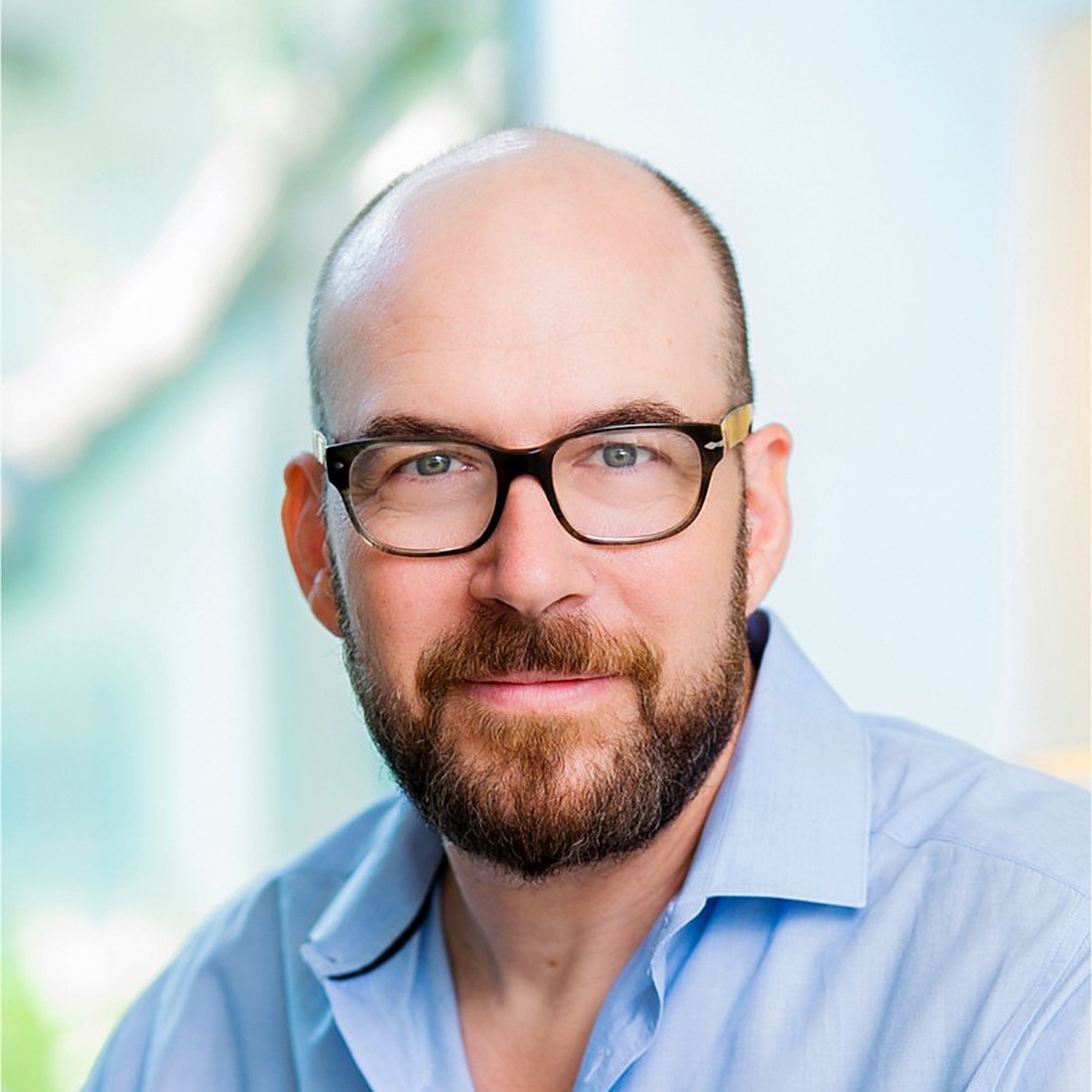
Co-author of A Global Deal for Nature (Science Advances, 2019) — the paper that introduced 30×30 into the peer-reviewed literature, now anchoring the Kunming–Montreal Global Biodiversity Framework. CEO of Nature Data Lab, where he leads a multidisciplinary team applying big data, earth observation, and artificial intelligence to nature recovery. Architect of the Conservation Imperatives mapping that identified 16,825 unprotected priority sites covering 164 million hectares as the highest-leverage biodiversity targets on Earth, and co-developer of the bioregions framework and the Internal Price on Nature concept for the private sector. Previously Director of Science & Technology at the Leonardo DiCaprio Foundation.
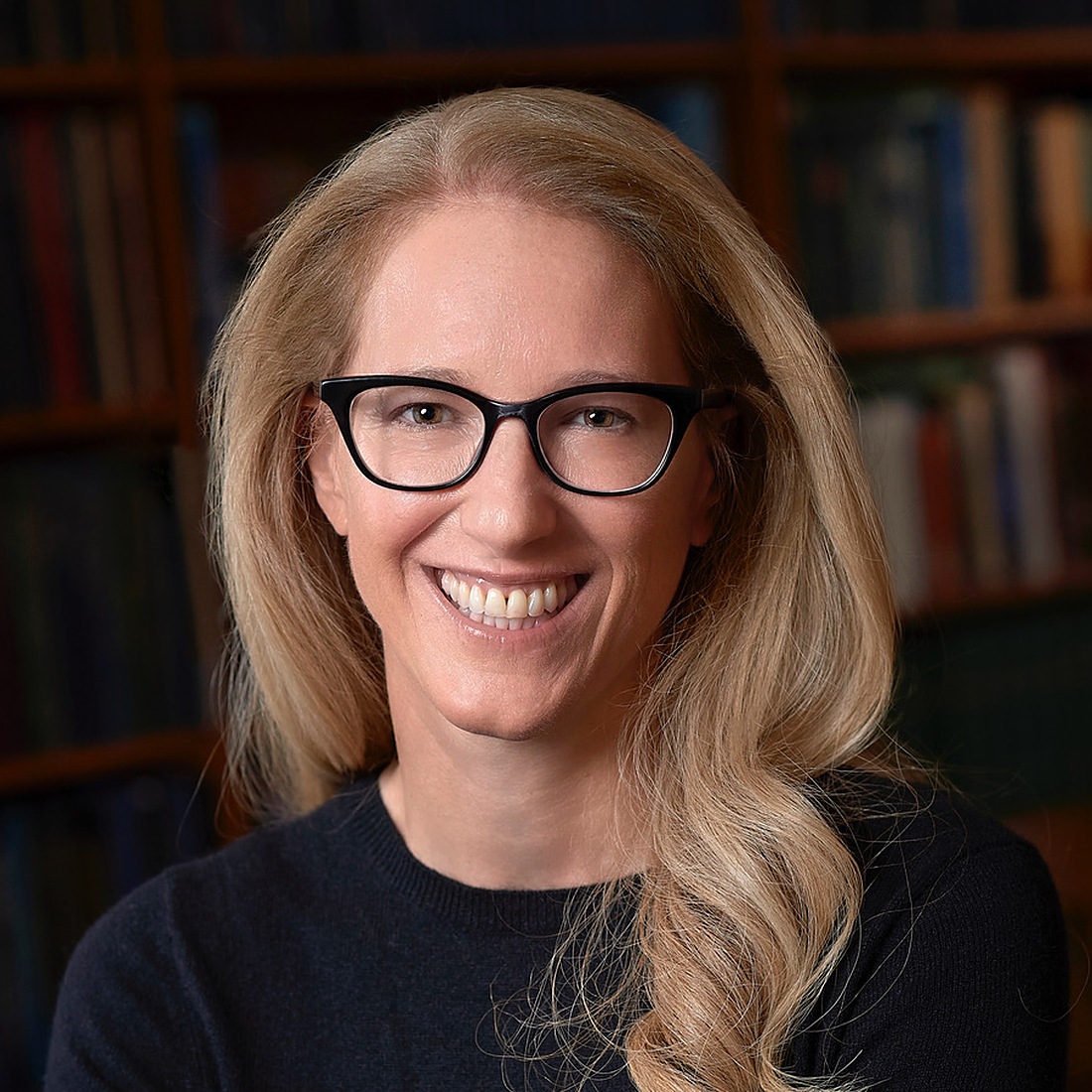
Steffen Professor at Cornell University and Cornell Atkinson Scholar at the Cornell Atkinson Center for Sustainability, leading the world's largest transdisciplinary effort to decode the biological mechanisms of viral spillover and translate them into disease-prevention strategy. Field operations on WHO-priority bat-borne pathogens span Australia, Bangladesh, and Ghana. Co-chair of the Lancet–PPATS Commission on Prevention of Viral Spillover; sits on the NSF Advisory Committee for Environmental Research and Education and the U.S. National Academies committee on Countering Zoonotic Spillover of High-Consequence Pathogens. 130+ publications, with research featured in the New York Times, Scientific American, The Washington Post, NPR, and elsewhere. Recently elected to the National Academy of Medicine and the American Association for the Advancement of Science. BVSc, University of Sydney; PhD, University of California, Davis.
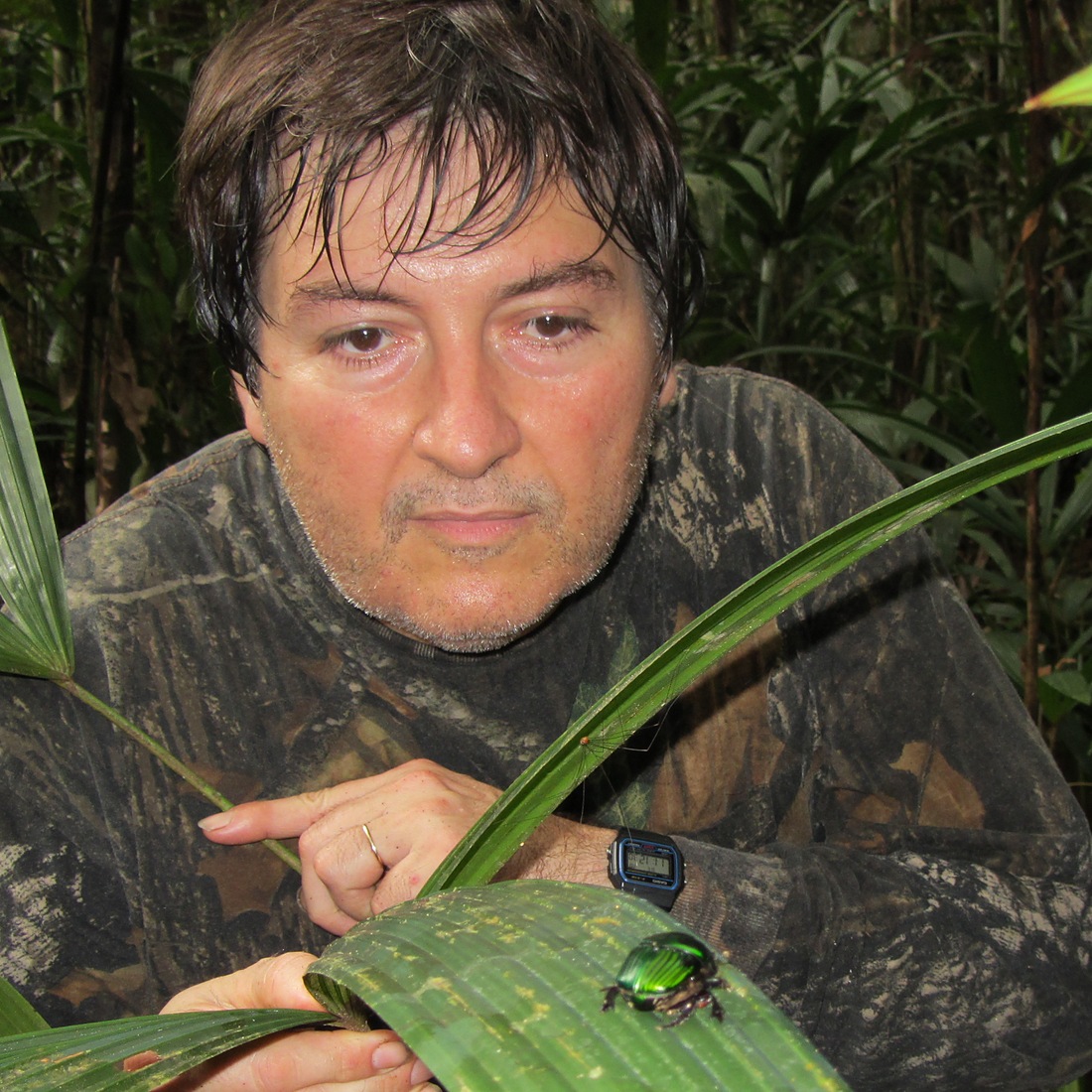
Brazil's foremost tropical ecologist and the most-cited Latin American conservation scientist of all time. Professor of Conservation Biology at the University of East Anglia and scientific director of Instituto Juruá, which co-manages nearly one million hectares of Amazonian sustainable-use reserves alongside 45 ribeirinho communities. His PNAS demonstration that community-governed protected areas deliver biodiversity recovery and measurable human welfare gains earned the 2023 Frontiers Planet Prize and CHF 1M — and is now among the most-cited proofs of concept for community-led conservation finance. Author of 490+ peer-reviewed papers (h-index 140, ~69,000 citations); Member of the European Academy of Sciences; named by Time and CNN an "Environmental Leader for the New Millennium."
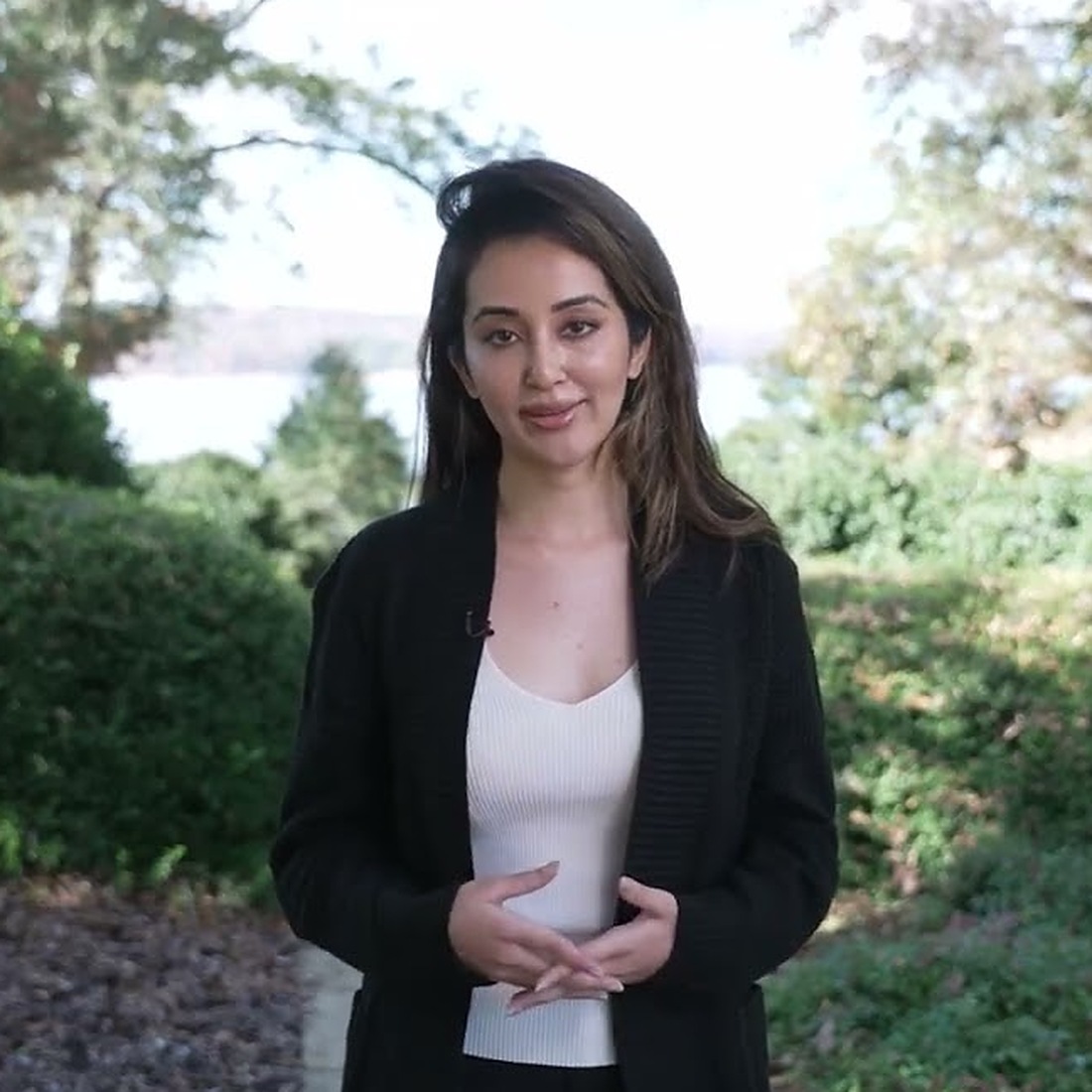
Associate Director of Tigers United at Clemson University, where she runs the consortium channeling universities with tiger mascots into field tiger conservation. Co-developer of an edge-AI camera system now deployed across India's tiger corridors — cameras that identify individual tigers and alert wildlife managers in under 30 seconds, turning post-incident response into pre-attack intervention. Daughter of legendary Indian Forest Service tiger-reserve field director Dr. Himmat Singh Negi, she grew up on the buffer of Kanha Tiger Reserve in Central India — the lived geography behind her PhD research on human–tiger coexistence in Madhya Pradesh, India's tiger heartland. PhD, Forestry and Environmental Conservation, Clemson University; featured in the PBS Nature Wild Hope episode "AI of the Tiger."
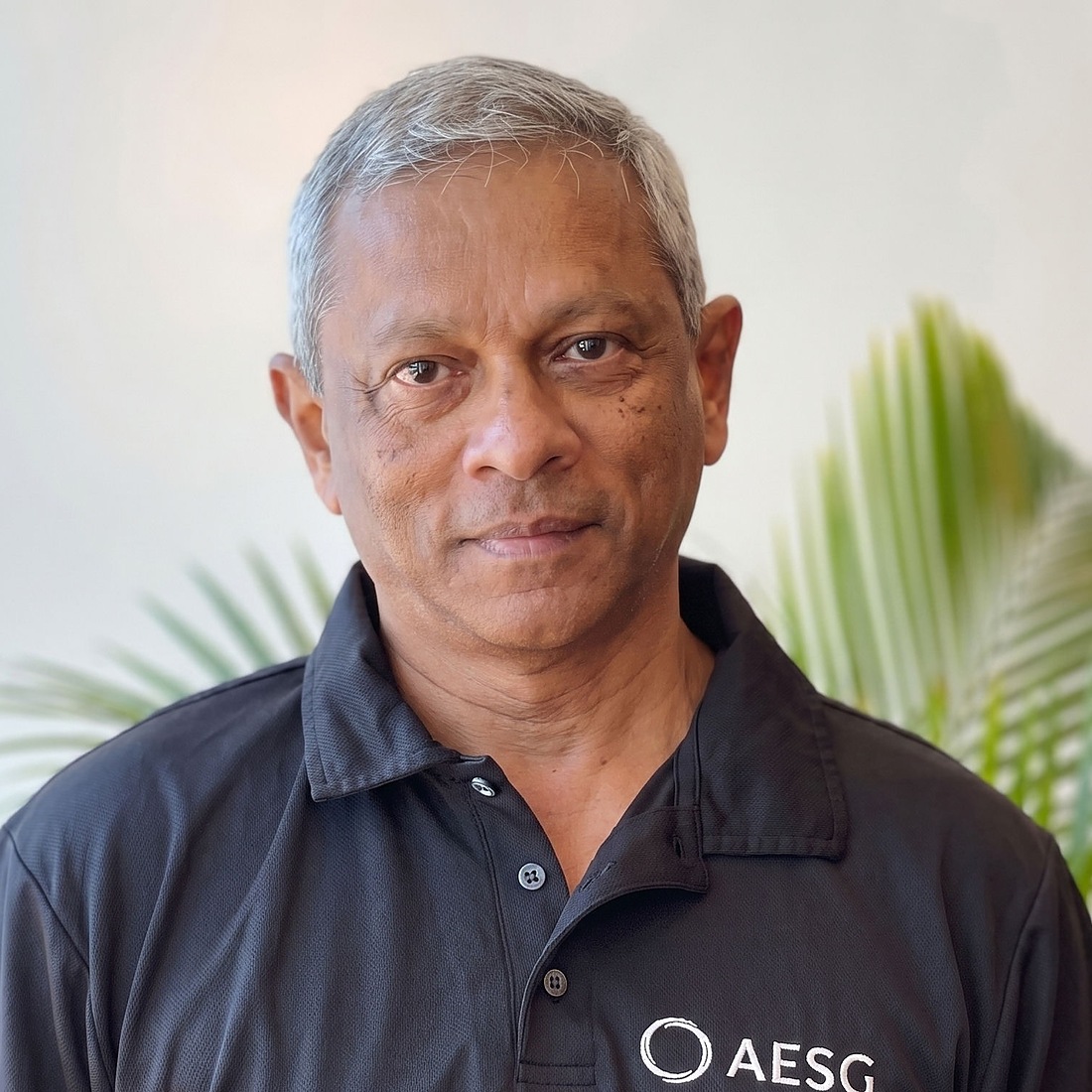
Landscape ecologist who spent more than two decades as a Senior Conservation Scientist at WWF defining how Asia's great mammals are actually saved. Co-architect of the Tiger Conservation Units framework (1998), lead designer of Nepal–India's Terai Arc Landscape — the first large-landscape program in Asia, today supporting roughly 880 wild tigers — and co-author of WWF's Terrestrial Ecoregions of the World, the foundational map of life on Earth (11,000+ citations). Director of Wildlife, Wetlands and Sustainable Financing at WWF Hong Kong; now Senior Rewilding Specialist at NEOM, advising on bankable nature-based solutions for Asian flyways and wetlands. PhD ecology, UC Davis.

Founder and President of OneNature Institute and creator of the Wild Happiness Approach — a peer-reviewed methodology that places human and ecological wellbeing at the center of conservation outcomes, rather than treating either as a side effect. Previously U.S. Country Director at the International Fund for Animal Welfare, where she conceptualized and led IFAW's animals-and-human-wellbeing program and the policy work behind the Washington, D.C. ivory and rhino-horn ban and the SAVE Right Whales Act. Twenty-five years across IFAW, The Nature Conservancy, the World Wildlife Fund, USAID, and the Peace Corps; named to the Explorers Club 50 (2023); board member of Gross National Happiness USA. MS Business, Boston University; BA International Affairs, James Madison.

Conservation scientist at the University of Minnesota, where he coordinates the Conservation Sciences graduate program, and Executive Director of The Carbon Institute. Lead author of Tracking Changes and Preventing Loss in Critical Tiger Habitat (Science Advances, 2016) — the first satellite-based assessment to monitor all 76 Tiger Conservation Landscapes across Asia at once — and co-author of A Global Safety Net (Science Advances, 2020), the framework defining where on Earth conservation must happen to stabilize biodiversity and climate. Architect of the GIS modeling that became WWF's Terai Arc Landscape, author of its 10-year strategic plan, and designer of Nepal's sub-national REDD+ reference framework — connecting tiger recovery to forest-carbon finance.

Quantitative ecologist at the Smithsonian National Zoo and Conservation Biology Institute's Conservation Ecology Center, where she fuses wildlife tracking, camera-trap monitoring, remote sensing, and geospatial analytics into the biodiversity indicators and decision-support tools conservation managers use in the field. Specializes in wildlife movement ecology, biodiversity monitoring, and the data infrastructure behind population-recovery and habitat-management decisions across North and South America, Africa, and Asia. Published work spans population viability analysis for endangered species, statistical model selection in applied ecology, and spatial landscape analysis — the analytical bridge between observed wildlife behavior and actionable conservation policy. PhD, Ecology and Conservation Biology.
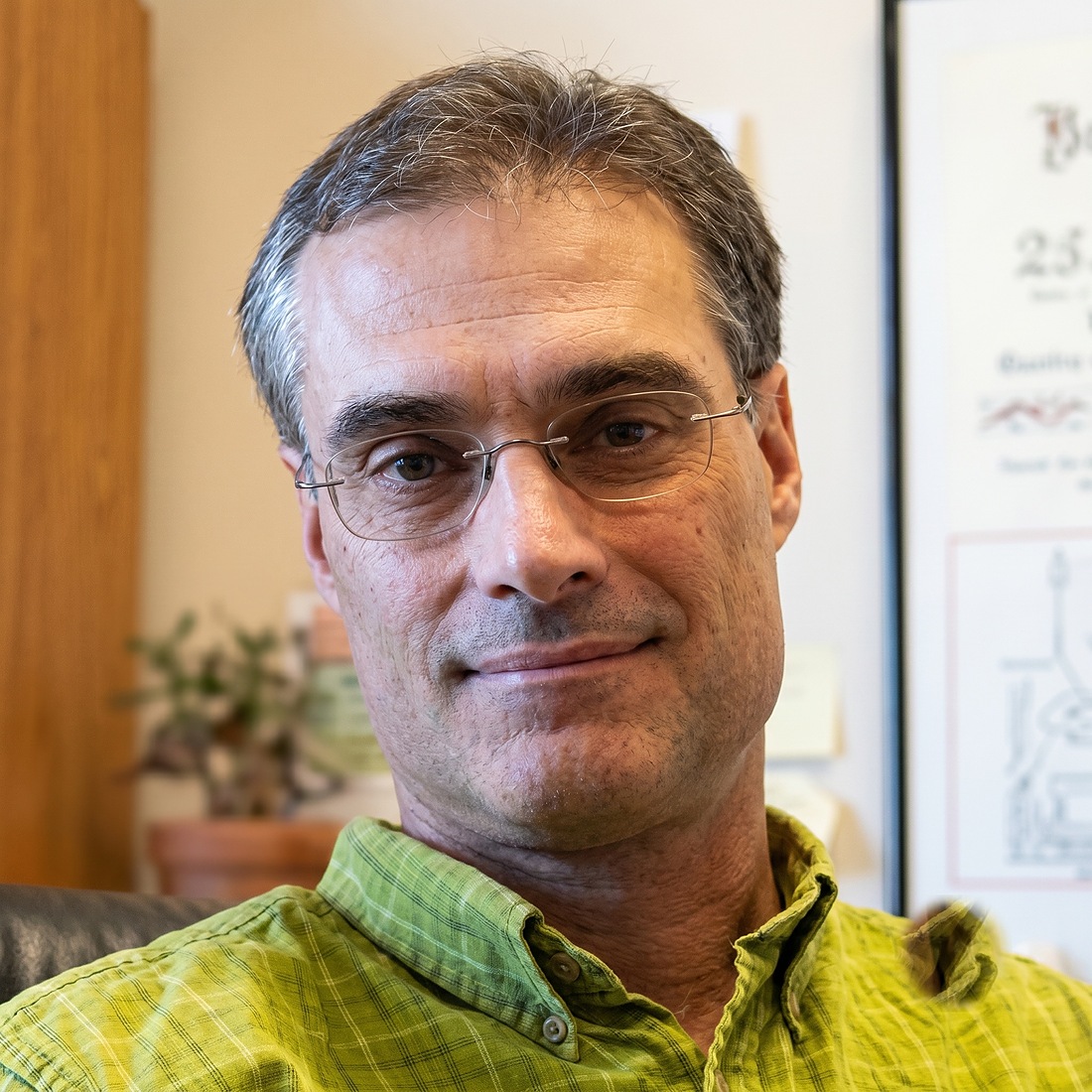
Founder, President, and Chief Scientist of the Yellowstone Ecological Research Center, the independent nonprofit he established in 1993 to put decision-relevant science behind the Greater Yellowstone Ecosystem — now spanning 120+ projects and 200+ peer-reviewed publications. His long-term canid program positioned YERC to monitor the 1995 wolf reintroduction in real time, producing foundational work on predator–prey dynamics, trophic cascades, and scavenger subsidies that reshaped how ecologists model top-down regulation of intact ecosystems. Pioneer of MODIS–Landsat fusion for ecosystem-scale primary-productivity monitoring, and architect of YERC's WildNET, LandNET, and RiverNET observatory networks. PhD in Forestry, Wildlife, and Range Ecology, University of Idaho.
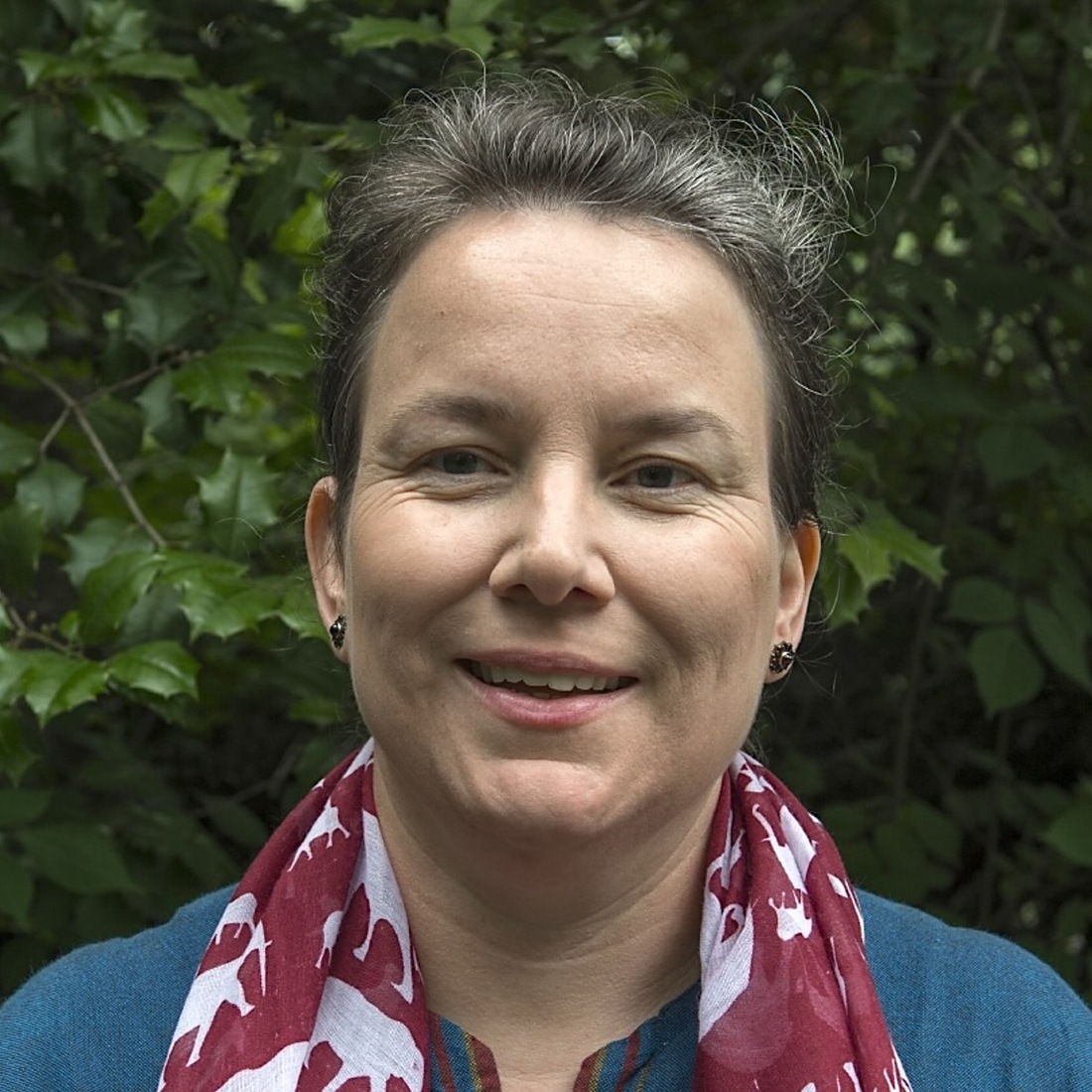
Wildlife statistician at the Wildlife Conservation Society since 2001, designing the global monitoring programs and survey techniques behind how the world counts wild populations. Her statistical analyses feed the IUCN Red List, range-wide species action plans, and decisions at CITES Conferences of the Parties; her training courses have built the statistical capacity of a generation of field scientists from Africa to Asia to the Americas. Author of definitive book chapters on distance sampling and 70+ peer-reviewed papers spanning marine mammals, forest elephants, and continental wildlife surveys. Former member of the U.S. Marine Mammal Commission's Committee of Scientific Advisors on Marine Mammals. PhD Statistics (Wildlife Population Assessment), University of St Andrews.